

Austin Air Systems Announces Expanded Wildfire Toolkit and New Educational Video Series Ahead of Peak Wildfire Season
BUFFALO, N.Y. , June 15, 2026 (GLOBE NEWSWIRE) -- Austin Air Systems announced the launch of an expanded Wildfire Toolkit and the introduction of a new seven-part educational video series focused on wildfire smoke and its potential effects on indoor environments and public health. The initiative is intended to provide individuals, families, and professionals with access to educational resources as wildfire activity continues to affect communities across the United States.
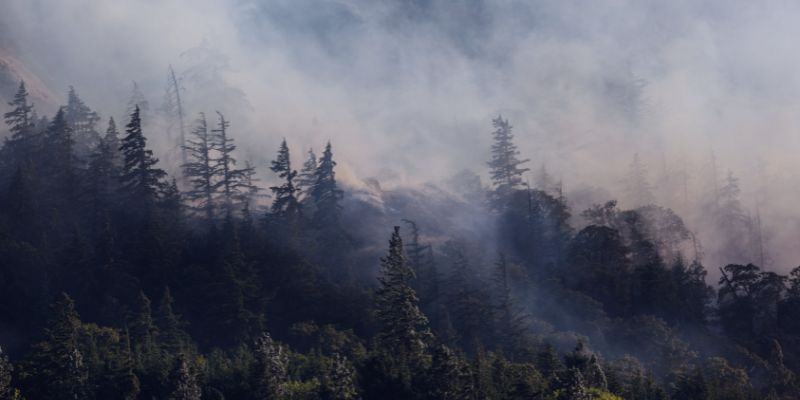
air purifiers for wildfire smoke
The updated Wildfire Toolkit includes a public service announcement, educational materials, research references, expert interviews, and access to The Long Burn, a seven-part video series examining the broader implications of wildfire smoke exposure. The resources are available without charge through WildfireToolkit.com.
According to Austin Air Systems, the expansion reflects growing public interest in understanding wildfire smoke, indoor air quality concerns, and preparedness measures that can be considered before and after wildfire events. The toolkit addresses commonly asked questions related to smoke exposure, home preparation, and post-fire recovery.
“Wildfires are affecting a growing number of communities across different regions of the country,” said Lauren McMillan, President of Austin Air Systems. “As questions surrounding smoke exposure and indoor air quality continue to increase, the goal of this initiative is to provide accessible educational information that helps people better understand the issues being discussed by researchers and public health professionals.”
The Wildfire Toolkit covers several topics that have become increasingly relevant during wildfire seasons. Among the subjects addressed are the movement of wildfire smoke across long distances, the persistence of smoke-related particles and residue in indoor environments, and practical considerations for households seeking information about air quality management.
Educational materials within the toolkit also discuss the distinction between outdoor air quality readings and indoor environmental conditions. The resources explain that visible smoke may dissipate before all smoke-related contaminants are removed from indoor spaces and highlight the importance of understanding how particles and other byproducts may interact with furnishings, building materials, and ventilation systems.
Another area covered by the toolkit focuses on wildfire preparedness. Resources outline considerations such as home sealing, filtration planning, and the creation of designated indoor areas intended to reduce exposure to outdoor smoke during wildfire events. The materials are designed to help readers understand available preparedness strategies and encourage informed decision-making based on their individual circumstances.
A central component of the expanded initiative is The Long Burn, a seven-part educational series featuring interviews with physicians, environmental health researchers, wildfire specialists, and individuals who have experienced significant wildfire events. The series explores current discussions surrounding wildfire smoke and examines how exposure may affect communities both during and after active fire incidents.
Each episode focuses on a specific aspect of wildfire smoke and air quality. Topics include the composition of wildfire smoke, the ways smoke can travel across regions, populations that may face elevated exposure concerns, common misconceptions regarding indoor air quality management, and personal accounts from individuals impacted by wildfire events. Additional episodes examine the effects of smoke on homes, workplaces, and educational facilities.
The series was developed as part of Austin Air Systems’ broader effort to expand public access to educational content related to clean air and environmental health topics. The company stated that the project brings together perspectives from multiple disciplines to support public understanding of issues associated with wildfire smoke.
Austin Air Systems also noted that the Wildfire Toolkit draws upon information developed through years of engagement with air quality research and environmental health initiatives. The company cited previous participation in independent clinical studies and involvement in public health response efforts following environmental incidents in the United States.
The expanded toolkit arrives at a time when wildfire smoke has become a topic of national attention due to its ability to affect communities located far from active fire zones. Educational content within the toolkit discusses how smoke can travel hundreds or even thousands of miles from the original source, potentially influencing air quality conditions across multiple states.
Individuals interested in accessing the Wildfire Toolkit can visit WildfireToolkit.com. Visitors may also register to receive updates regarding the release of The Long Burn video series and future educational content.
About Austin Air Systems
Founded in 1990 and headquartered in Buffalo, New York, Austin Air Systems manufactures air purification systems and develops educational resources related to indoor air quality. The company’s products are distributed internationally, and its work has included participation in independent clinical research and environmental response initiatives. Austin Air Systems continues to support public education efforts focused on air quality awareness and environmental health topics.
free wildfire toolkit
Media Contact
Company Name: Austin Air Systems
Contact Person: Stacy Malesiewski
Phone: (800) 724-8403
Country: United States
Website: austinairsystems.com

Media Contact Company Name: Austin Air Systems Contact Person: Stacy Malesiewski Phone: (800) 724-8403 Country: United States Website: austinairsystems.com
Legal Disclaimer:
EIN Presswire provides this news content "as is" without warranty of any kind. We do not accept any responsibility or liability for the accuracy, content, images, videos, licenses, completeness, legality, or reliability of the information contained in this article. If you have any complaints or copyright issues related to this article, kindly contact the author above.
